Get Ground Hydrant Installation
Ground hydrant installation services help property owners ensure reliable fire safety by providing professional setup for fire suppression systems in commercial and industrial sites.
Ground hydrant installation is an essential consideration for property owners seeking reliable access to water in emergency situations, fire protection, or irrigation needs. If you are exploring options for installing or upgrading a ground hydrant, you are in the right place to find qualified local contractors who can assist with planning and execution. Understanding the practical benefits, such as improved safety and operational efficiency, can help inform your project decisions and ensure the work aligns with your property's specific requirements.
This page is designed to help property owners compare local service providers who specialize in ground hydrant installation. By exploring your options, you can identify experienced contractors capable of handling the complexities of the job and delivering solutions tailored to your property. Continue reading to discover how to connect with trusted local experts who can support your project planning and implementation.
- Ground Hydrant Installation - needed when establishing reliable water access for firefighting in new commercial or industrial sites.
- Fire Protection System Setup - required during the development or upgrade of fire safety infrastructure for large facilities.
- Emergency Water Supply Installation - necessary in areas prone to water shortages or during emergency preparedness planning.
- Water System Expansion - needed when expanding existing fire suppression systems to accommodate new building sections.
- Fire Safety Infrastructure Upgrades - required when replacing or upgrading outdated ground hydrants to meet current safety standards.
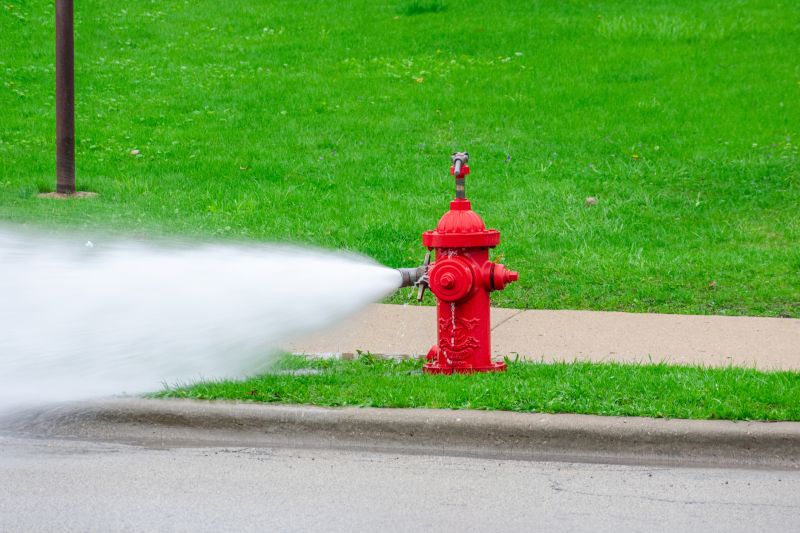
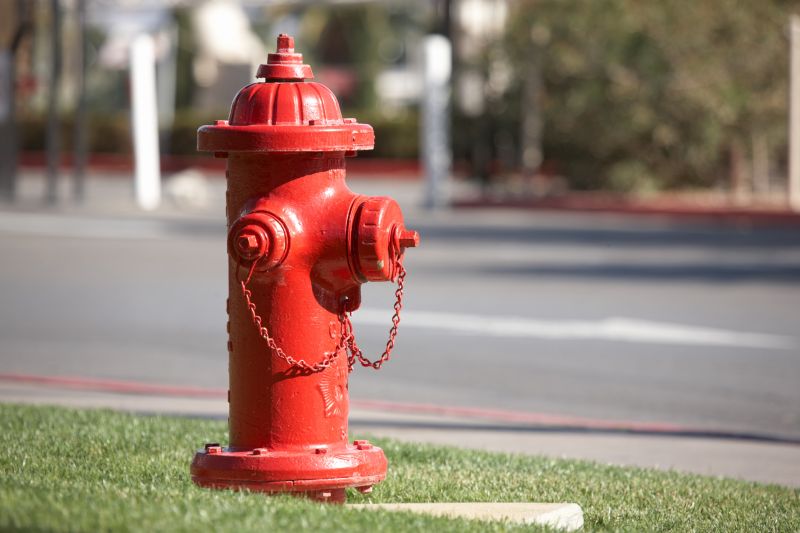
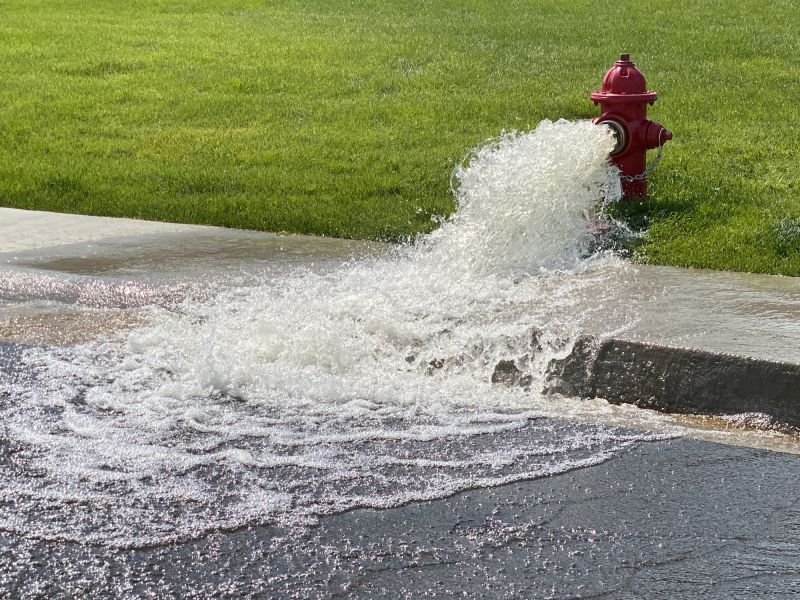
Ground hydrant installation involves placing a specialized water valve system underground to provide reliable access to water during emergencies or firefighting efforts. This service typically includes excavating the designated area, installing the hydrant and necessary piping, and ensuring proper connection to the existing water supply. The process is designed to create a durable, easily accessible water source that can be quickly utilized when needed, making it an essential feature for many properties requiring immediate fire protection.
This service helps address common problems such as inadequate water flow, difficulty accessing water in emergency situations, or outdated fire protection infrastructure. Installing a ground hydrant ensures that firefighters or property owners can quickly connect hoses and other equipment without delays caused by insufficient water supply or inconvenient placement. It also reduces the risk of property damage by enabling faster response times during fires, providing peace of mind for property owners and managers.
Ground hydrant systems are often installed on commercial properties, industrial sites, municipal facilities, and large residential estates. These properties typically require a dependable water source for firefighting or safety purposes, especially where existing infrastructure is insufficient or not designed for quick access. Homeowners with large properties or those in rural areas may also consider ground hydrants to enhance safety, particularly if fire suppression resources are farther away or less accessible.
Local contractors who specialize in fire protection or underground utility installation are equipped to handle ground hydrant setups. They can assess the property’s specific needs, determine the best location for the hydrant, and ensure proper installation to meet safety standards. Contacting experienced service providers can help property owners find the right solution to improve fire safety, ensure quick access to water, and meet local regulations for fire protection infrastructure.
The overview below groups typical Ground Hydrant Installation projects into broad ranges so you can see how smaller, mid-sized, and larger jobs often compare in your area.
In many markets, a large share of routine jobs stays in the lower and middle ranges, while only a smaller percentage of projects moves into the highest bands when the work is more complex or site conditions are harder than average.
Smaller Repairs - Typical costs for minor ground hydrant repairs or replacements generally fall between $250 and $600. Many routine jobs land within this range, depending on the specific part or repair needed.
Standard Installations - Installing a new ground hydrant usually costs between $1,000 and $3,000. Most projects in this category are straightforward and tend to stay within the middle of this range, with fewer reaching higher costs.
Full Ground Hydrant Replacement - Replacing an entire ground hydrant system can range from $3,500 to $7,000 or more. Larger, more complex projects can push above this range, but many fall within the typical upper-middle tier.
Custom or Complex Projects - Custom installations or extensive modifications may cost $7,000 and up, depending on site conditions and system complexity. These higher-end projects are less common but represent the upper limit of typical costs encountered by local service providers.
Actual totals will depend on details like access to the work area, the scope of the project, and the materials selected, so use these as general starting points rather than exact figures.
Underground Water Line Installation - Similar skills in trenching, excavation, and precise placement are needed for installing underground water lines, which often connect to ground hydrants for fire safety systems.
Fire Sprinkler System Setup - Installing fire sprinkler systems involves planning, piping, and underground work comparable to ground hydrant installation, requiring similar tools and site preparation.
Storm Drainage System Construction - Building storm drainage networks involves trenching and underground piping, paralleling the skills used in ground hydrant system installation.
Utility Pole and Conduit Installation - Installing underground conduits for utilities shares planning and excavation techniques with ground hydrant setup, often requiring similar equipment and site work.
Irrigation System Installation - Setting up underground irrigation lines involves trenching and piping, aligning with the skills needed for ground hydrant and water system projects.
Sewer Line Replacement - Replacing or installing sewer lines requires excavation, pipe fitting, and planning skills comparable to those used in ground hydrant installation projects.
When comparing service providers for ground hydrant installation, it’s important to evaluate their experience with similar projects. Homeowners should look for local contractors who have a proven track record of successfully completing ground hydrant installations or related work in the area. This familiarity with local soil conditions, climate considerations, and municipal requirements can contribute to a smoother process and help ensure the installation is done correctly. Asking for examples of past work or references related to ground hydrant projects can provide insight into a contractor’s capabilities and reliability.
Clear and detailed written expectations are essential when choosing a local contractor. Homeowners should seek service providers who can articulate their approach, outline the scope of work, and clarify what is included and excluded in the project. This transparency helps prevent misunderstandings and ensures that both parties are aligned on the project’s goals. It’s beneficial to request a written proposal or estimate that specifies the materials, methods, and any necessary permits or inspections, providing a solid foundation for decision-making.
Good communication and reputable references are key indicators of a dependable local contractor. Homeowners are encouraged to inquire about how the service provider communicates throughout the project, whether they provide updates, and how responsive they are to questions or concerns. Additionally, seeking out references or reviews from previous clients can help gauge the contractor’s professionalism and quality of work. While this site introduces homeowners to local options, it is up to the individual to verify these qualities directly with the service providers to find the best match for their ground hydrant installation needs.
Property owners use Ground Hydrant Installation services for practical projects around their homes and businesses. This guide focuses on everyday jobs and straightforward project options.
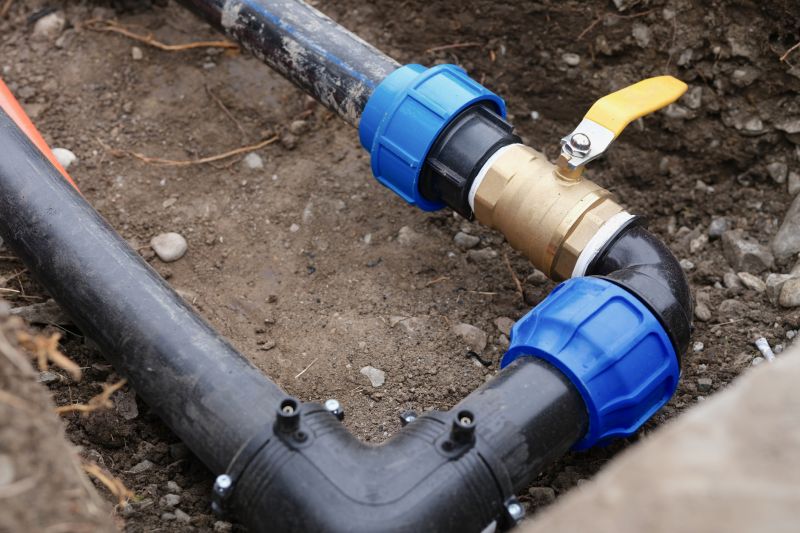
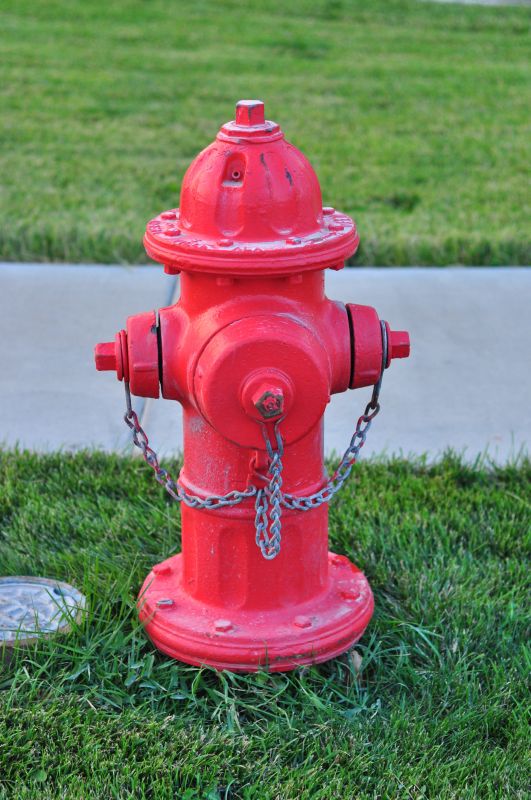
Ground hydrant installation is a common project for property owners who need reliable access to water in emergency situations or for routine maintenance. Whether it's for a commercial facility, industrial site, or large residential property, having a properly installed ground hydrant ensures quick and easy water access when needed. Local contractors are experienced in handling these installations, making it easier for property owners to meet safety and operational requirements without unnecessary delays.
Many property owners seek ground hydrant services to enhance fire protection measures or to support irrigation and landscaping needs. In areas where existing water infrastructure isn't sufficient, local service providers can assess the site and recommend suitable solutions. Connecting with experienced contractors can help ensure the installation is completed correctly and efficiently, providing peace of mind for ongoing property maintenance and safety preparedness.
What is ground hydrant installation? Ground hydrant installation involves setting up underground water access points that provide convenient firefighting water supply for properties and communities.
How do local contractors install ground hydrants? Contractors typically assess the site, dig the necessary trench, install the hydrant and piping, then backfill and test the system to ensure proper operation.
What factors influence the type of ground hydrant needed? Factors include the property's water pressure, soil conditions, access requirements, and local fire safety regulations.
Are ground hydrants suitable for residential properties? Yes, ground hydrants can be installed for residential use, especially in areas where fire safety access is a priority.
How can I find local service providers for ground hydrant installation? This website can help connect with experienced local contractors who specialize in ground hydrant installation services.
Ground Hydrant Installation for Fire Safety - Property owners can enhance fire protection in rural or large properties by installing ground hydrants for quick access during emergencies.
Water Supply Solutions for Construction Sites - Contractors working on new developments can utilize ground hydrants to provide a reliable water source for various construction activities.
Irrigation System Expansion - Landowners can add ground hydrants to support irrigation needs across expansive gardens or farmland, ensuring efficient watering.
Fire Department Access Improvements - Communities can improve emergency response readiness by installing ground hydrants in strategic locations around the property.
If you are thinking about Ground Hydrant Installation for a property, this guide is meant to help you understand the work, the typical project types, and how different options might fit your plans.
When you are ready, you can use the quote form on this page to share a few details about your project. From there, local pros can review the basics and respond with options that match what you have in mind.